



บริษัท ดิฟเฟอเรนเชียล (ไทยแลนด์) จำกัด บริษัทที่ปรึกษา และวิจัยการตลาดชั้นนำ เปิดเผยรายงานผลการศึกษา “2026 Thailand Service Customer Experience Index (Service CXI) Study℠” และ “2026 Thailand Product Customer Experience Index (Product CXI) Study℠” ซึ่งอ้างอิงข้อมูลการศึกษาวิจัยจากเจ้าของรถยนต์จำนวน 2,651 ราย พร้อมเปรียบเทียบแนวโน้มการตัดสินใจในการซื้อรถคันต่อไปของคนไทยในช่วงปี 2567-2569
“ซื้อรถใหม่แบรนด์เดิม” หรือ “เปลี่ยนแบรนด์ใหม่” (Stay-Switch)
บริษัท ดิฟเฟอเรนเชียล (ไทยแลนด์) ได้ทำการศึกษาพฤติกรรม “ความภักดีต่อแบรนด์รถยนต์ในกลุ่มเจ้าของรถชาวไทย” อย่างต่อเนื่องในช่วง 3 ปีที่ผ่านมา (ตั้งแต่ปี 2567 – ปัจจุบัน) ทำให้เห็นความเปลี่ยนแปลงเรื่อยมาอย่างต่อเนื่อง และชัดเจน โดยในปี 2568 ที่ผ่านมา พฤติกรรมผู้ซื้อรถใหม่ มีความพร้อมที่จะเปลี่ยนแบรนด์รถที่จะซื้อสูงสุด โดยความตั้งใจที่จะซื้อรถแบรนด์เดิมมีการเปลี่ยนแปลงจาก 46% ในปี 2567 ลดลงเหลือ 36% ในปี 2568 และกลับทะยานเพิ่มสูงขึ้นเป็น 64% ในปี 2569
ขณะเดียวกัน สัดส่วนของผู้ที่ยังไม่แน่ใจว่าจะซื้อแบรนด์เดิม หรือแบรนด์ใหม่ได้ลดลงจากระดับสูงสุดที่ 61% ในปี 2568 และลดลงมาอยู่ที่ 31% ในปี 2569 (ถือเป็นระดับที่ต่ำกว่าตัวเลข 48% ในปี 2567) แม้ว่าเจ้าของรถจะตัดสินใจเลือกแบรนด์ได้ชัดเจนขึ้น แต่การแข่งขันก็ไม่ได้ลดความรุนแรงลง โดยมีผู้ที่วางแผนจะเปลี่ยนแบรนด์ยังอยู่ที่ 5% ใกล้เคียงกับตัวเลข 6% ในปี 2567 ซึ่งมองกลับได้ว่า แม้ความลังเลจะลดลง แต่โอกาสในการแย่งชิงลูกค้าระหว่างแบรนด์ยังเปิดกว้างอยู่ และเจ้าของรถเกือบ 4 ใน 10 รายยังไม่สามารถตัดสินใจได้ว่าจะเลือกระบบขุมพลังแบบใดสำหรับรถคันต่อไป (เครื่องยนต์สันดาปภายใน มอเตอร์ไฟฟ้า ไฮบริด หรือปลั๊กอินไฮบริด) ภาพรวมสถานการณ์ จึงเปลี่ยนจากคำถามที่ว่า “จะซื้อแบรนด์ไหนดี” ไปสู่คำถามที่ว่า “เทคโนโลยีแบบใดที่จะตอบโจทย์การใช้งานจริงในชีวิตได้ดีที่สุด”
ความภักดีต่อแบรนด์ฟื้นตัวในทุกกลุ่ม แต่ยังเผชิญความท้าทายที่แตกต่างกัน
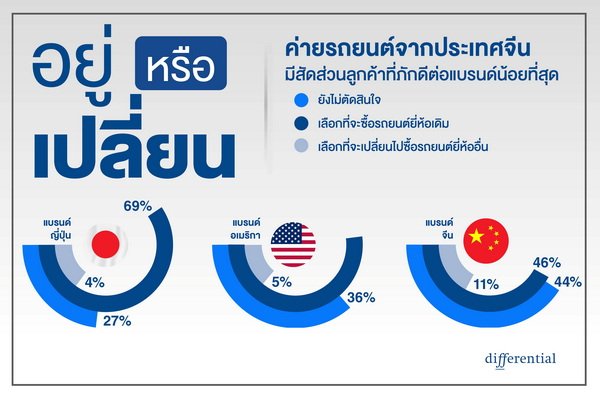
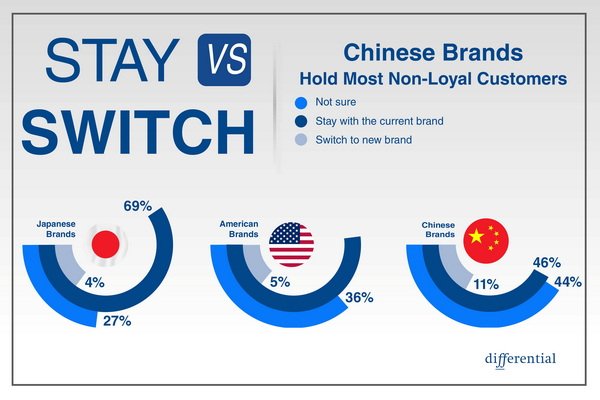
แบรนด์ญี่ปุ่นยังคงรักษาฐานความภักดีของลูกค้าไว้ได้แข็งแกร่งที่สุด โดยมีเจ้าของรถถึง 69% ตั้งใจจะซื้อรถแบรนด์เดิมซ้ำ ตามมาด้วยแบรนด์อเมริกันที่ 60% และแบรนด์จีนที่ 46% แม้ว่าแบรนด์จีนจะมีตัวเลขการซื้อซ้ำสูงขึ้นจากปีก่อน แต่ยังมีกลุ่มที่ไม่แน่ใจสูงถึง 44% และมีผู้ตั้งใจเปลี่ยนแบรนด์อีก 11% ซึ่งถือเป็นสัดส่วนที่สูงที่สุดในบรรดากลุ่มแบรนด์ทั้ง 3 สัญชาติ ความท้าทายของแบรนด์จีนในขณะนี้จึงไม่ได้จำกัดอยู่แค่เรื่องการรับรู้แบรนด์ หรือการทดลองใช้เท่านั้น แต่จะต้องเร่ง “สร้างประสบการณ์การเป็นเจ้าของใน
ช่วงแรก” ให้กลายเป็น “ความเชื่อมั่นต่อแบรนด์ที่ยั่งยืน” ทั้งในด้านคุณภาพ การบริการหลังการขาย เสถียรภาพของราคา มูลค่าราคาขายต่อ และความพร้อมของเครือข่ายการบริการ ส่วนแบรนด์ญี่ปุ่น และอเมริกันนั้น จำเป็นต้องเร่งต่อยอดจุดแข็งด้านชื่อเสียงเดิมเข้ากับนวัตกรรม และทางเลือกที่ตอบโจทย์ไลฟ์สไตล์ในปัจจุบันให้มากยิ่งขึ้น
“ชื่อเสียงของแบรนด์” กลับมาเป็นเหตุผลหลักที่ทำให้ลูกค้าอยู่ต่อ
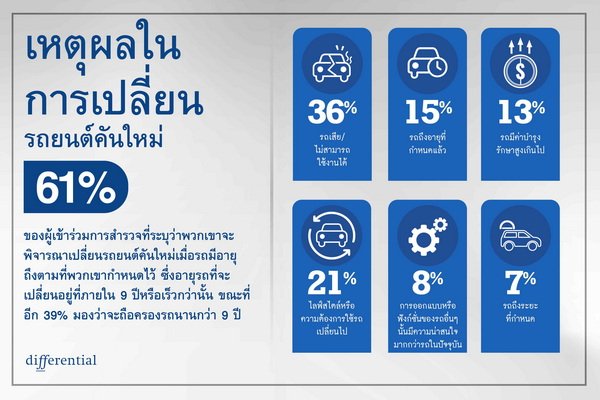
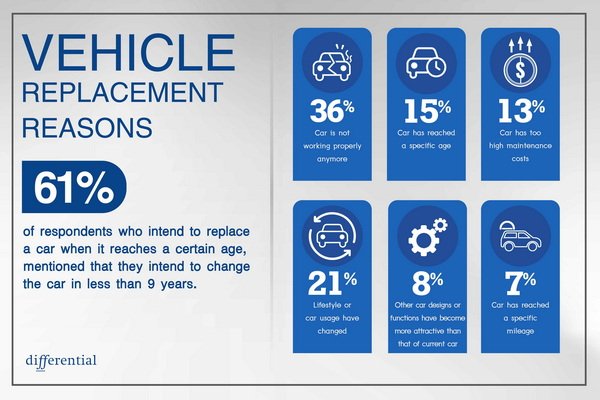
ในกลุ่มเจ้าของรถที่ตั้งใจจะซื้อแบรนด์เดิมซ้ำ เหตุผลหลักคือ “ภาพลักษณ์ และชื่อเสียงของแบรนด์” (30%) รองลงมาคือประสบการณ์ที่ดีในอดีต (25%) และความพึงพอใจในตัวผลิตภัณฑ์ (22%) ขณะที่ปัจจัยด้านราคาขายต่อ เพิ่มขึ้นจาก 2% เป็น 6% ดังนั้น ความภักดีจึงขึ้นอยู่กับความเชื่อมั่นตลอดวงจรการเป็นเจ้าของ ไม่ใช่แค่ตัวรถเพียงอย่างเดียว สำหรับกลุ่มเจ้าของรถที่ยังลังเล หรือไม่คิดจะซื้อแบรนด์เดิมซ้ำนั้น 71% ระบุว่าความต้องการ หรือความชอบของตนได้เปลี่ยนไปแล้ว สอดคล้องกับพฤติกรรมการเปลี่ยนรถที่ขยับจากเหตุจำเป็นไปสู่เหตุผลด้านไลฟ์สไตล์มากขึ้น โดยการตัดสินใจเปลี่ยนรถยนต์คันใหม่เป็นเหตุผลเรื่องการเปลี่ยนแปลงไลฟ์สไตล์หรือรูปแบบการใช้งานรถยนต์เพิ่มขึ้นจาก 14% เป็น 20% ในขณะที่เหตุผลเรื่องรถยนต์ไม่สามารถใช้งานได้ปกติ หรือมีปัญหามีสัดส่วนลดลงจาก 50% เหลือ 36%
เจ้าของรถมีความชัดเจนเรื่องแบรนด์มากขึ้น แต่ยังมีความไม่แน่นอนเกี่ยวกับระบบขุมพลัง
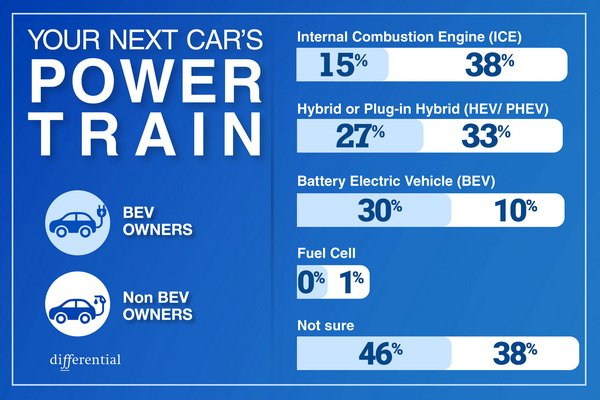
ความไม่แน่ใจเกี่ยวกับระบบขุมพลังของรถคันต่อไปมีแนวโน้มเพิ่มขึ้นอย่างต่อเนื่อง โดยขยับจาก 17% ในปี 2567 เป็น 29% ในปี 2568 และสูงถึง 39% ในปี 2569 สำหรับรถคันต่อไปนั้น เจ้าของรถ 34% ยังเลือกรถยนต์เครื่องยนต์สันดาปภายใน (ICE) อีก 32% เลือกรถไฮบริด หรือปลั๊กอินไฮบริด และ 13% เลือกรถไฟฟ้าแบตเตอรี่ (BEV) ทั้งนี้ เนื่องจากผู้ตอบแบบสอบถามสามารถเลือกได้มากกว่าหนึ่งระบบขุมพลัง ตัวเลขเหล่านี้จึงสะท้อนถึงทางเลือกที่กำลังพิจารณาอยู่ ไม่ใช่การตัดสินใจเลือกเพียงตัวเลือกเดียว ในกลุ่มผู้ใช้รถไฟฟ้า (BEV) ปัจจุบัน มีเพียง 30% เท่านั้นที่ระบุว่าจะพิจารณาซื้อรถไฟฟ้าอีกครั้ง
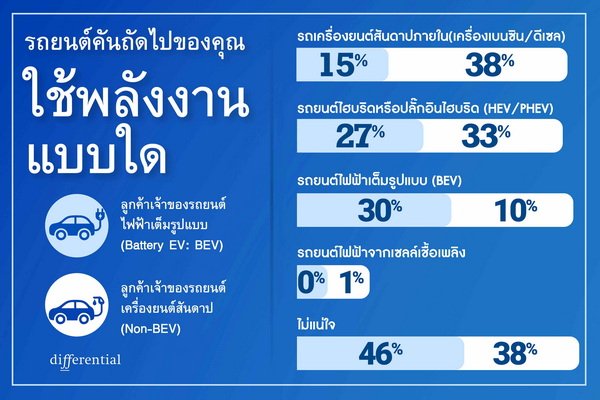
ขณะที่ 46% ยังมีความไม่แน่ใจเกี่ยวกับระบบขุมพลังที่จะเลือกใช้ในอนาคตสถานการณ์นี้ถือเป็นโจทย์ท้าทายสำหรับแบรนด์รถไฟฟ้า และเป็นโอกาสให้ผู้ผลิตรถทุกรายควรเน้นสื่อสารให้ชัดเจนยิ่งขึ้นในประเด็นต่าง ๆ อาทิ ความเหมาะสมในการใช้งานจริง ต้นทุน ระบบการชาร์จไฟ การบำรุงรักษา และความคุ้มค่าในระยะยาว
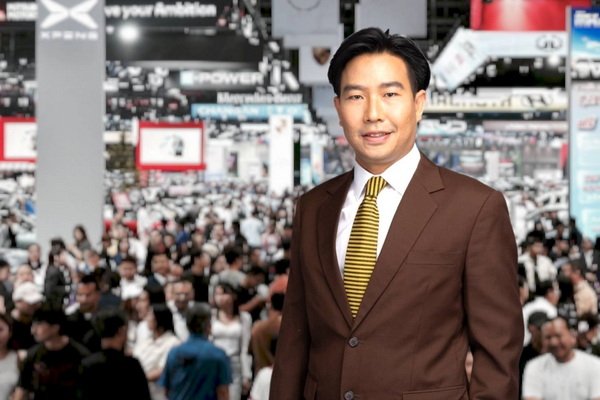
นายศิรส สาตราภัย กรรมการผู้จัดการ บริษัท ดิฟเฟอเรนเชียล ประจำประเทศไทย กล่าวว่า “ภาพรวมปี 2569 ไม่ได้บอกว่าความภักดีกลับมาแข็งแรงอย่างถาวร แต่บอกว่าผู้บริโภคเริ่มตัดสินใจเรื่องแบรนด์ได้ชัดเจนขึ้น หลังจากปี 2568 เป็นช่วงที่ความลังเลสูงที่สุดในรอบสามปี สิ่งที่แบรนด์ต้องจับตาคือ เมื่อคำถามเรื่องแบรนด์เริ่มมีคำตอบ คำถามเรื่องระบบขุมพลังของรถที่เหมาะกับวิถีชีวิตของลูกค้ากลับยากขึ้นกว่าเดิม”
“การแข่งขันรอบต่อไปจึงไม่ได้อยู่ที่การดึงลูกค้าออกจากแบรนด์เดิมเท่านั้น แต่อยู่ที่การทำให้ลูกค้าเชื่อมั่นว่าแบรนด์จะดูแลเขาได้ตลอดอายุการใช้งาน และช่วยให้เขาเลือกเทคโนโลยีที่เหมาะกับชีวิตจริงได้ แบรนด์ที่อธิบายเรื่องยากให้เข้าใจง่าย สร้างประสบการณ์บริการที่สม่ำเสมอ และรักษามูลค่าของรถได้ จะมีโอกาสเปลี่ยนความชัดเจนในวันนี้ให้เป็นความภักดีในระยะยาว” นายศิรส กล่าว
Research Finds Vehicle Brand Loyalty Rebounding in Thailand: 64% of Owners Intend to Buy the Same Brand, but Uncertainty Has Shifted to Powertrain Choice
Differential’s three-year Stay-Switch trend shows that 2025 recorded the highest level of brand uncertainty in the study period. In 2026, intention to buy the same brand rebounded to 63.7%, while the share of owners who were unsure nearly halved. Yet almost four in ten owners still cannot say which powertrain they would choose for their next vehicle. The competitive battleground is shifting from “Which brand will I buy?” to “Which technology best fits real life?”
Differential (Thailand) Co., Ltd., a leading market research and consulting firm, has released findings from the 2026 Thailand Service Customer Experience Index (Service CXI) Study℠ and the 2026 Thailand Product Customer Experience Index (Product CXI) Study℠. Based on responses from 2,651 vehicle owners, the findings compare intentions for the next vehicle purchase across 2024-2026. They show how brand loyalty is changing as owners face a wider range of brands and powertrain choices.
From a year of uncertainty to clearer brand decisions
Across the three years, same-brand purchase intention moved from 46.1% in 2024 to 36.2% in 2025 and 63.7% in 2026. The unsure share fell from a three-year high of 60.7% in 2025 to 30.9% in 2026, below the 48.2% recorded in 2024. Owners are making clearer brand decisions, but competition has not eased: 5.4% plan to switch, close to 5.6% in 2024. Uncertainty has receded, but brands still have an opportunity to win customers.
Loyalty recovers across brand groups, but each faces a different challenge
Japanese brands retain the strongest loyalty base, with 68.6% intending to buy the same brand. American brands follow at 59.8%, while Chinese brands stand at 45.7%. Although Chinese brands recovered strongly from the previous year, 43.8% of their owners remain unsure and 10.5% intend to switch, the highest share among the three brand-origin groups. Their challenge now extends beyond awareness and trial: they must turn early ownership into lasting confidence in quality, after-sales service, price stability, resale value and service-network readiness. Japanese and American brands must pair their reputational strength with innovation and choices that fit today’s lifestyles.
Brand reputation returns as the leading reason to stay
Among owners intending to buy the same brand, the leading reason is brand image and reputation at 29.8%, followed by positive previous experience at 25.4% and product satisfaction at 22.4%. Resale value rose from 1.5% to 6.4%. Loyalty therefore rests on confidence across the ownership cycle, not on the vehicle alone. Of owners who are unsure or do not plan to buy the same brand, 70.9% say their needs or preferences have changed. Lifestyle or vehicle-use changes rose from 14.1% to 20.4% as a reason to replace, while a car no longer working properly fell from 50.0% to 35.9%.
Owners are clearer about brand, but less certain about powertrain
Uncertainty about the next vehicle’s powertrain has risen steadily, from 17.2% in 2024 to 28.7% in 2025 and 39.1% in 2026. For their next vehicle, 34.0% are considering an internal combustion engine, 31.7% a hybrid or plug-in hybrid, and 13.0% a battery electric vehicle. Because respondents could select more than one powertrain, these figures represent the options under consideration, not one final choice. Among current battery electric vehicle owners, only 30.2% would consider one again, while 45.7% are unsure about their next powertrain. This challenges electric vehicle brands and gives every automaker an opportunity to explain practical fit, costs, charging, maintenance and long-term value more clearly.
Siros Satrabhaya, Managing Director of Differential Thailand, said, “The 2026 picture does not show that brand loyalty has strengthened permanently. It shows that consumers are making clearer brand decisions after 2025 recorded the highest uncertainty in the three-year period. What brands need to watch is that, as the brand question becomes easier to answer, deciding which powertrain best fits customers’ lives has become more difficult.”
“The next phase of competition goes beyond persuading customers to leave their current brand. Brands must give owners confidence that they will be supported throughout the ownership cycle and help them choose technology that fits real life. Those that explain complex choices clearly, deliver a consistent service experience and protect vehicle value will be best placed to turn today’s clearer decisions into long-term loyalty,” Satrabhaya said.
About the Studies
The 2026 Thailand Service Customer Experience Index (Service CXI) Study℠ and the 2026 Thailand Product Customer Experience Index (Product CXI) Study℠ are based on responses from 2,651 vehicle owners. The 2024-2026 trend figures in this press release come from studies conducted once in each of the three years. They reflect owners’ stated intentions at the time of each survey, not observed purchasing behaviour.

